

Considering starting yoga? Maybe you’re nervous because you think you can’t be as flexible as some of the people you’ve seen in class or on Instagram. You’ve probably seen or heard Sanskrit words and may not know their meanings. With all of this confusion, it’s good to know that all experienced teachers were at one point beginner teachers. And to help ease your mind, there are a few things beginners should know before they start yoga.
Gyan Yog Breath’s yoga ashram in Rishikesh, India has taught many beginners since 2008. This guide is based on the principles our teachers teach beginners, so you can practice yoga confidently.
What is Yoga, Really?
Yoga is frequently misunderstood as a form of stretching or fitness. Traditionally, yoga is the union of body, breath and mind. While practicing asana, one simultaneously practices pranayama and meditation to unite with mind and breathe. It is this complete system that is traditionally termed as “Yoga”.
Realizing this enhances the practice and revolutionizes the purpose. Instead of asking “How far can I bend?” one asks “How steady is my breath?” and “How do I feel?” Thereafter the practice is bound to become long lasting.
10 Things Every Beginner Should Know Before Starting Yoga
1. You do not need to be flexible
This is the most common myth. Flexibility is a result of yoga, not a requirement for it. Yoga is for stiff bodies, busy minds and tired people too. Start exactly where you are.
2. Choose a beginner-friendly style
There are many yoga styles, and the right one makes a big difference to your first experience.
| Style | Pace | Best for beginners because |
|---|---|---|
| Hatha | Slow and steady | Poses are held with attention to alignment and breath. This is the traditional foundation of all other styles. |
| Restorative | Very slow | Uses support to relax the body and calm the nervous system. |
| Yin | Slow, long holds | Gentle and meditative, good for stiffness, though long holds need care. |
| Vinyasa | Flowing | Linked movement and breath, but the pace can feel fast at first. |
| Ashtanga | Structured and vigorous | Powerful and disciplined, usually better once you have a basic foundation. |
3. Learn to breathe before you try to bend
Your breath is your guide. Move into a position that allows you to take full, relaxed nasal breaths. You can go too far in a yoga posture if breathing becomes labored. It is best to practice deep abdominal breathing, as it strengthens the lungs and prepares the mind for the higher stages of pranayama. It is calming for the beginner’s mind. Many beginners find this to be the best part of the practice.
4. Alignment matters more than depth
It is better to have a small, well-aligned pose, than to have a deep, unstable one. Alignment is going to help you save your joints and give you the real benefits of each pose. Don’t focus on chasing the “perfect” shape that you see online. Focus on having a long spine and relaxed shoulders. Even weight on your hands and feet is important as well.
5. Understand the difference between sensation and pain
A gentle stretch, warmth or mild effort in the muscles is normal. Sharp, burning, pinching or joint pain is a signal to stop. Ease out of the pose, and never push through pain. Yoga should leave you feeling better, not injured.
6. Consistency beats intensity
Practice for 20 minutes, 3 to 4 times a week. This will be more effective than doing a hard session once a week. Short, regular practice will condition your mind and body slowly, and this can be easily incorporated into your daily routine.
7. You need very little equipment
A non-slip yoga mat, comfortable clothes that let you move, and a quiet space are enough. A strap, a block or a folded blanket can help, but they are optional. Props are not a sign of weakness. They are a smart way to make poses accessible.
8. Practice on an empty stomach
Try to avoid heavy meals a couple hours prior to practice. Light snacks are usually okay, but twists and forward folds are a lot more pleasant with an empty stomach. If you need to, sip water throughout the day. You can take small sips of water during practice if needed.
9. Talk to your doctor if you have health concerns
If you are pregnant, recovering from surgery, or living with a condition such as high blood pressure, a back or joint problem, or any other medical concern, speak to your doctor before starting. Tell your yoga teacher about it too, so they can offer suitable variations. Yoga can support wellbeing, but it is not a replacement for medical care.
10. Learn from a qualified teacher
Look for teachers who have been through a recognised training and experience in teaching beginners. They should correct your alignment. They should offer multiple modifications, explain the reason behind the pose and other philosophy behind the practice. Any qualified teacher can do this.
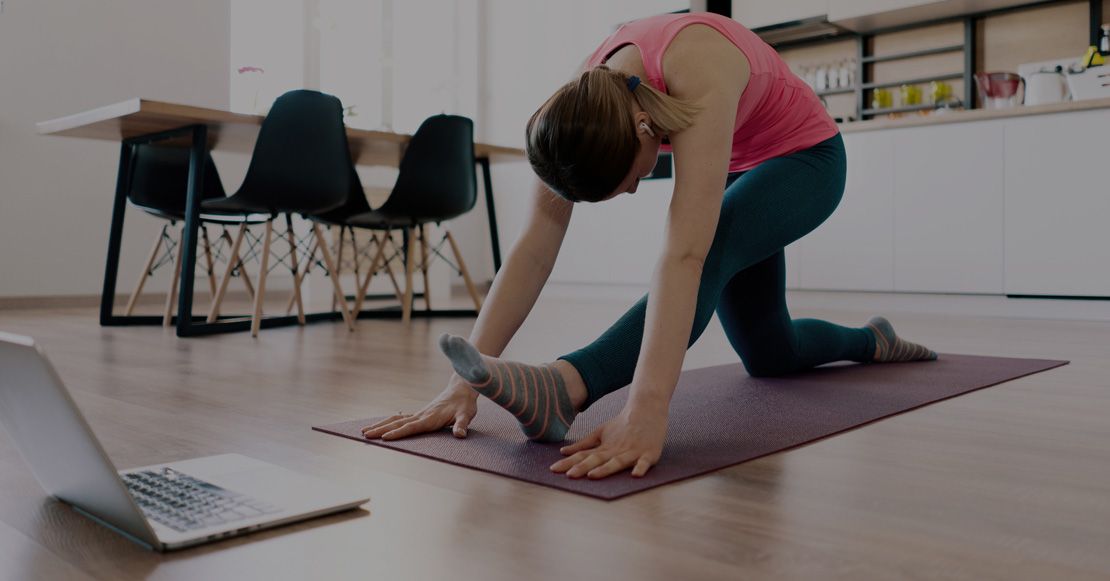
If you’re practising at home and following videos, choose instructional videos made by qualified teachers, and consider attending classes to receive personalized adjustments.
Beginner Yoga Poses to Start With
These simple poses build strength, balance and body awareness. Hold each for five slow breaths.
- Tadasana (Mountain Pose): teaches posture, grounding and balance.
- Marjaryasana-Bitilasana (Cat-Cow): warms up the spine and links breath with movement.
- Balasana (Child’s Pose): a resting pose to calm the mind and release the back.
- Adho Mukha Svanasana (Downward-Facing Dog): strengthens the arms and legs and lengthens the back. Bend your knees if your hamstrings are tight.
- Bhujangasana (Cobra Pose): gently strengthens the back and opens the chest.
- Savasana (Corpse Pose): final relaxation, which allows the body to absorb the benefits of practice.
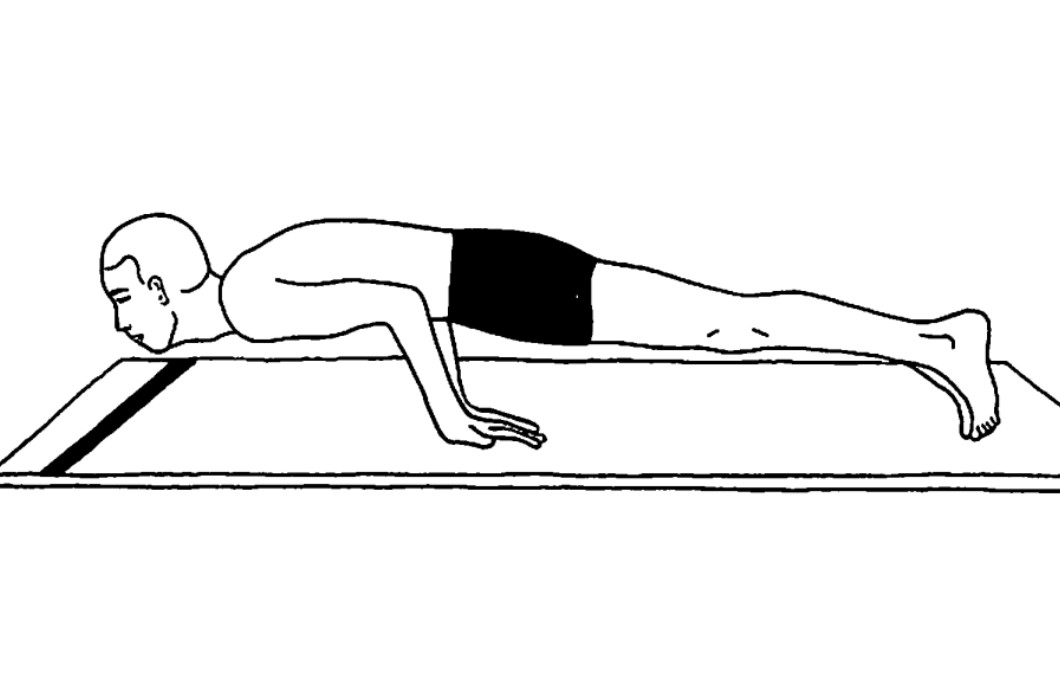
Once you feel steady, you can explore gentle preparatory poses such as Hamsasana (Swan Pose), which builds the strength and focus needed for more advanced arm balances.
Common Beginner Mistakes (and How to Avoid Them)
- Comparing yourself with others. Every body is different. Your practice is only about you.
- Holding the breath. If you notice it, soften and return to slow breathing.
- Pushing too hard, too soon. Progress comes from patience, not force.
- Skipping the warm-up and relaxation. Both prepare and protect your body.
- Expecting instant results. Many people feel calmer after the first few sessions, but real change comes with regular practice over weeks and months.
- Learning only from social media. Online content can be inspiring, but it cannot see or correct your alignment.
A Simple 4-Week Plan for Beginners
| Week | Frequency | Focus |
|---|---|---|
| Week 1 | 3 days, 15 to 20 minutes | Breathing, Tadasana, Cat-Cow, Child’s Pose, Savasana |
| Week 2 | 3 to 4 days, 20 minutes | Add Downward Dog and Cobra, and hold poses a little longer |
| Week 3 | 4 days, 25 to 30 minutes | Add standing poses and 5 minutes of simple breathing practice |
| Week 4 | 4 days, 30 minutes | Link the poses into a short sequence and add a few minutes of quiet meditation |
Listen to your body, rest when you need to, and adjust the plan to your own pace.
What If You Want to Go Deeper?
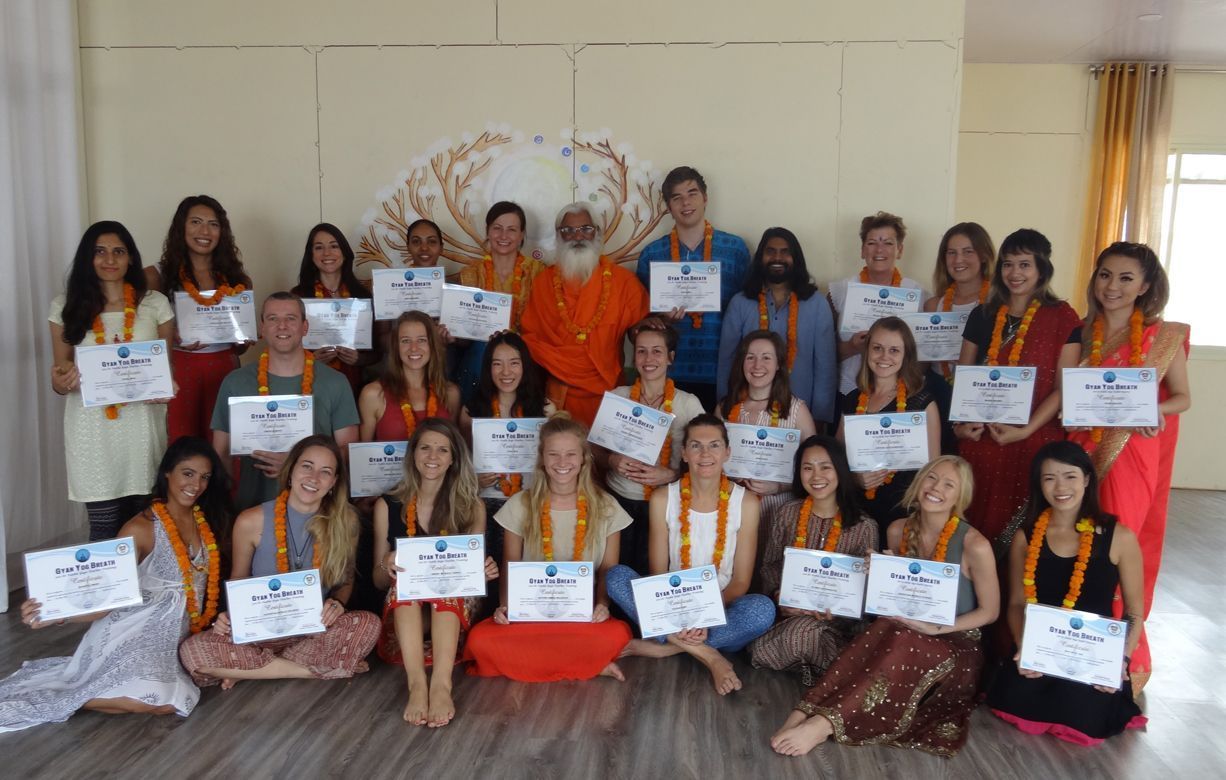
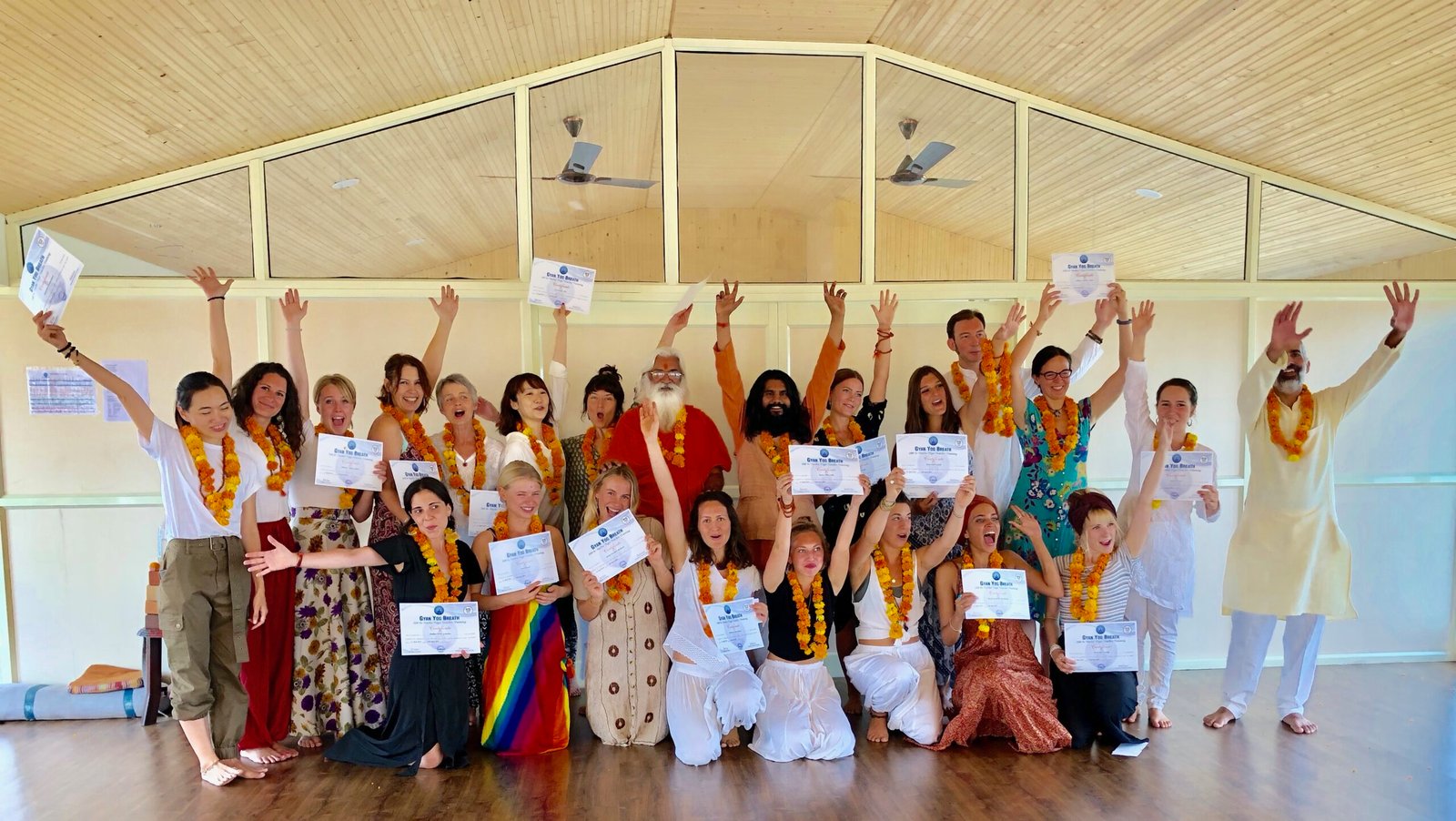
For many beginners, yoga becomes more than exercise. If you feel drawn to understand it more deeply, or even to teach one day, a yoga teacher training is a powerful next step. You do not need to be advanced to begin. At Gyan Yog Breath, our foundational yoga teacher training course in Rishikesh is open to beginners and intermediate students alike. The only requirement is a sincere interest and a commitment to learn.
If you would like to experience the training in a shorter format, the 100-hour program is a gentle way in. If travelling is not possible right now, you can also study from home with our online teacher training.
Our programmes are Yoga Alliance registered (see our accreditation), taught in small groups by an international, multilingual team, and set less than 100 metres from the Ganges. If you are planning a budget, our guide on how much yoga teacher training costs in India explains what is typically included. You can also learn more about our school and teachers.
Frequently Asked Questions
Yes. Yoga is suitable for complete beginners. Begin with a gentle, beginner-friendly style such as Hatha, and move at your own pace.
Three to four short sessions a week is a good start. Regular practice matters more than long sessions.
Wear comfortable, stretchy clothing that allows you to move freely. You do not need special yoga gear.
Hatha yoga is widely recommended because it is slow, clear and focused on alignment and breath. Restorative yoga is also gentle and relaxing.
No. Flexibility develops over time with regular practice. You can begin with any level of flexibility.
Yes. Our foundational teacher training welcomes beginners, as long as you have a sincere interest in yoga and the commitment to learn. You can read more answers on our FAQ page.
Final Thoughts
Yoga isn’t about touching your toes or standing on your head. It’s about the journey to find stillness in your body and your mind, and balance in your breath. While everyone is on this same journey, it’s important to start where you are, and meet yourself where you are each day with practice and consistency. Eventually the rest will take care of itself.
If you are interested in beginning your yoga journey and/or want to learn more about our yoga training in Rishikesh, we are happy to help. Please contact us to schedule a time to talk or to begin the intake process.