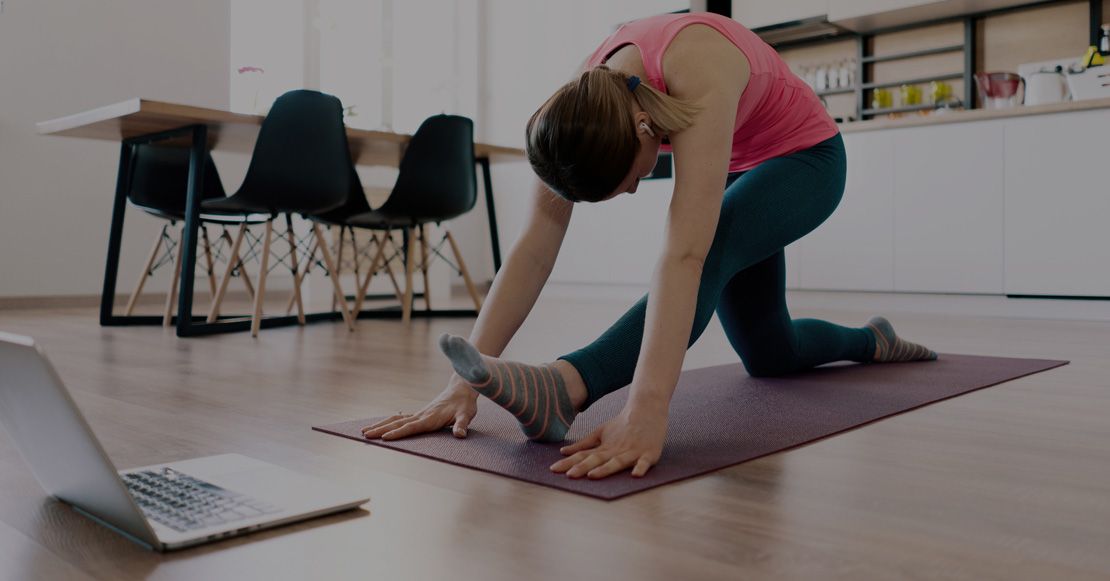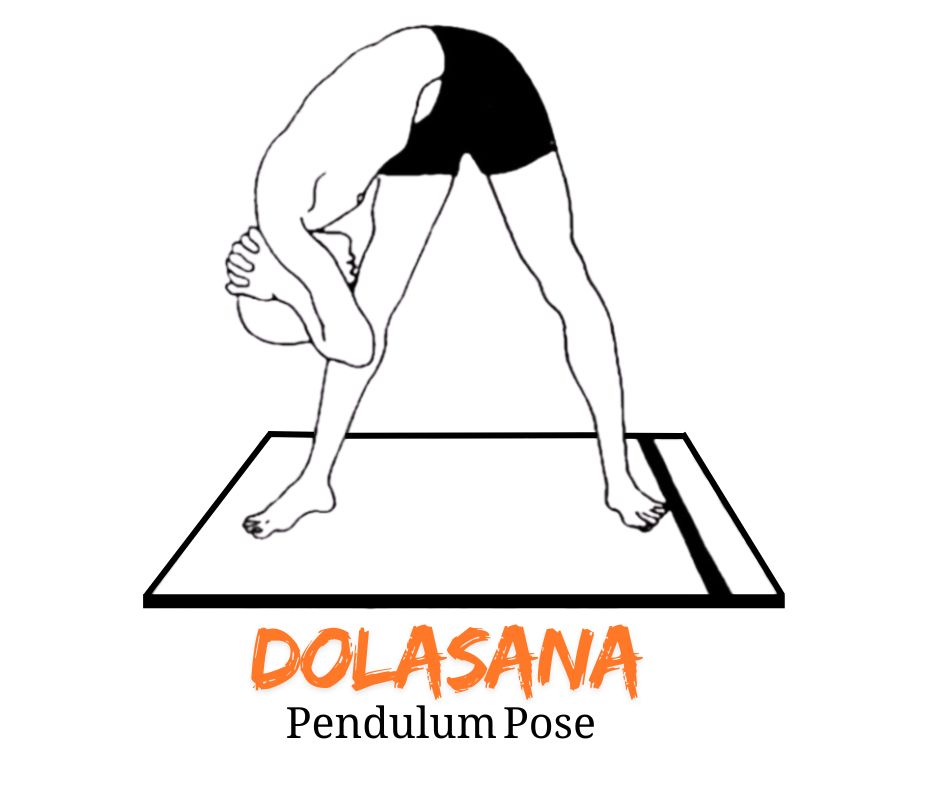


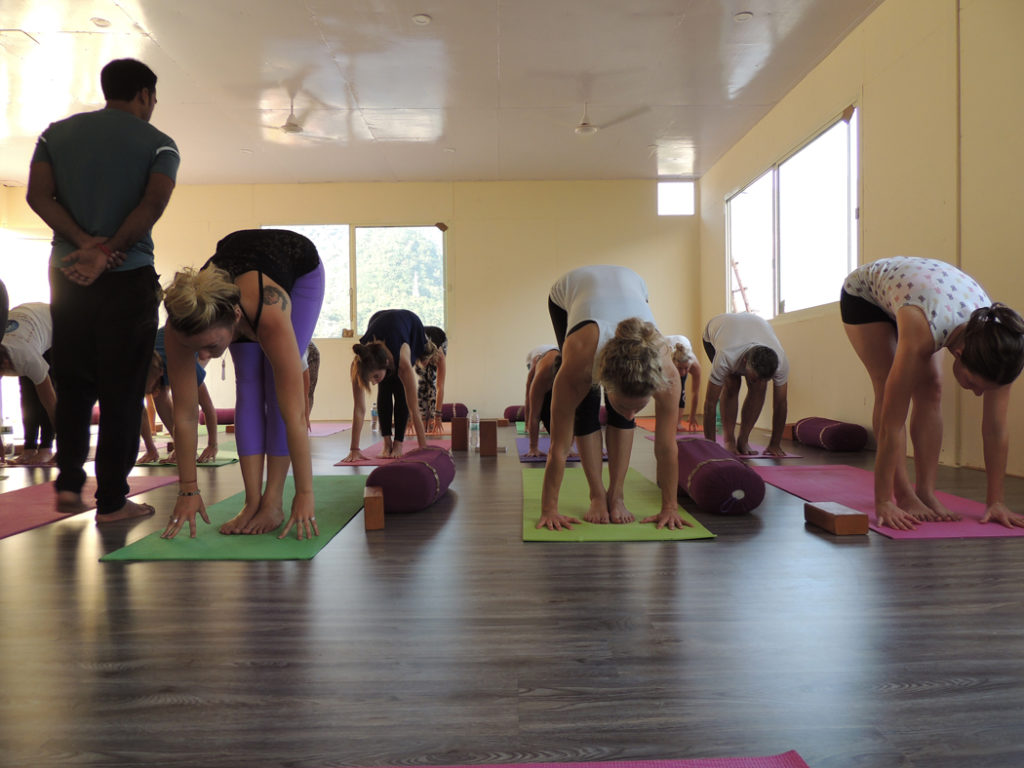
Regular yoga practice can help you stay balanced, flexible, and calm in everything that you do. For students who are doing a Yoga Teacher Training, and those of you who want to start building strength as well as opening your body. Developing strength in the practice of yoga is how you stabilize yourself so that your endurance and confidence (two requisite skills for safe teaching and advanced practice) can grow.
Instead of traditional gym exercises, yoga is a holistic road to strength through body weight, breath awareness and alignment.
Why Strength Training is Important in Yoga Teacher Training
In 200 Hour Yoga Teacher Training strength is first to gain control and through that awareness, not a force. An equal emphasis on flexibility and muscular support gives students the ability to hold poses longer, offer adjustments with confidence and gain greater personal fulfillment.
Strength-based yoga practices:
- Improve posture and joint stability
- Support safe alignment in asanas
- Prevent injuries during advanced postures
- Arm Balances and Inversions Preparation for the Arms
- Create confidence in teaching for the new yoga teacher
This is an integral part of professional Yoga Teacher Training in India and globally.
Yoga-Based Strength Training: Aligning Body and Breath
In yoga-based strength work we are targeting our muscle engagement while still breathing mindfully. This training helps develop that kind of strength, which doesn’t hinder your flexibility and works really well on the long run.
Yoga teacher trainees will benefits from a strength program because:
- Test Your Shoulder and Arm Endurance for Demonstrations
- Core engagement for posture stability
- Body awareness for hands-on adjustments
- Pranayama during rigorous yoga poses
As we both know this is a vital skill for your own practice and when instructing to keep everyone safe.
Wall-Supported Yoga Practice for Arm and Shoulder Strength
Wall-supported Yoga asana are commonly taught during Yoga Teacher Training Courses because they provide safety, stability, and clear alignment. This yoga asanas practice strengthens the arms and shoulders while preparing the body for inversion work.
Step-by-Step Practice for Teacher Training Students
- Arrange your yoga mat so that it close to a wall.
- With your butt situated on the mat, back flattening against the wall, sit up.
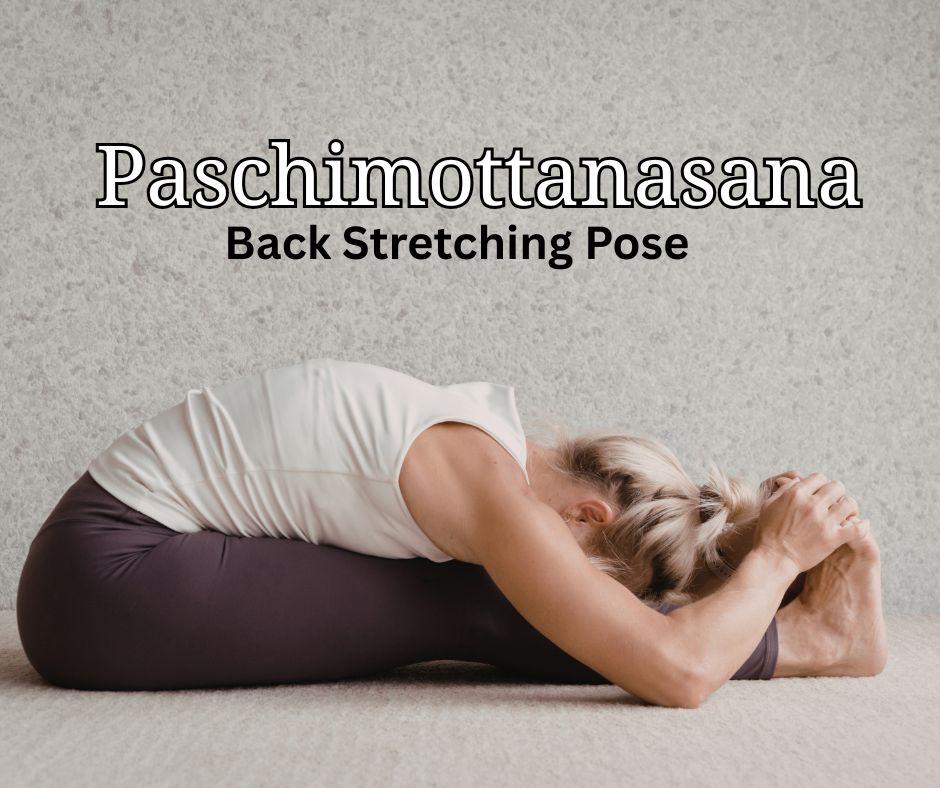
- Extend your legs to the front and get into Paschimottanasana (Seated Frontal Bend).
- Set your hands down hard at either side of your feet, fingers spread wide apart.
- While you ground your hands on the mat, slowly raise up your legs and place them against the wall.
- Make your body form a 90-degree angle with both legs and your trunk.
- Now, engage the core, shoulders and arms, keeping the neck relaxed.
- Hold the pose for up to 30 seconds or a minute, breathing steadily.
- Slowly release and relax the shoulders, arms and wrists.
Benefits of this pose for Yoga Teacher Training Students
During yoga teacher training in Rishikesh, this pose confers multiple benefits.
- It strengthens the arms, shoulders and wrists.
- Balances the core stability, and its posture.
- Body alignment and a heightened sense of what’s good for oneself
- It prepares your body with proper support for Handstand as well as Shoulder Stand
- Focuses the mind and encourages your breathing
These advanatages ensure that students can move confidently to the more complicated asanas while learning for their yoga certificate.
Preparing for Inversions in Yoga Teacher Training
Most 200 Hour Yoga Teacher Training Courses don’t teach inversions well, but with the right techniques students can master these difficult postures in no time at all. Wall-supported strength poses help trainees understand weight distribution, shoulder engagement, and core activation — key elements for inversion practice.
By building strength slowly, students gain confidence and reduce the risk of injury making their teaching demonstrations also that more effective, and safer.
Conclusion: Strength Training Through Yoga
It is experimenting with strength training and fits the only advanced stage in a complete yoga education. In this way, students of yoga who are now preparing to teach will gather quality resilience to confront difficulties, command of themselves and awareness–the three essential attributes a good teacher possesses.
In other words, whether you are getting ready for Yoga Alliance’s Yoga Teacher Training program at an Indian ashram, personal pilgrimaging deeper into Yoga or just trying to teach advanced postures class this summer, integrating strength-based yoga at times creates a solid foundation of learning that will last with you for life–both on and off the mat.