

Are you interested in learning Kapalbhati Pranayama? We’ve got you covered! Kapalbhati is a powerful breathing technique that can bring numerous benefits to your physical and mental well-being. In this guide, we’ll walk you through everything you need to know to start practicing Kapalbhati Pranayama effectively.
What is Pranayama?
First things first, let’s talk about Pranayama. Pranayama is the practice of controlling your breath to enhance vitality and improve mental clarity. It’s an essential aspect of yoga that focuses on harnessing the power of your breath to achieve balance and harmony in your body and mind.
In simple terms, it’s about learning how to breathe consciously and intentionally. Through various breathing techniques, you can influence the flow of vital energy in your body, known as prana. By practicing pranayama regularly, you can enhance your lung capacity, increase oxygen flow to your brain, and calm your mind. It’s like giving your body a gentle massage from the inside out, helping to release tension and promote relaxation. Pranayama is an accessible practice that can be done anywhere, anytime, making it a valuable tool for managing stress and improving overall health and vitality.
What is Kapalbhati?
Kapalbhati is a dynamic breathing exercise that involves rapid, forceful exhalations followed by passive inhalations. This practice is believed to cleanse the respiratory system and invigorate the mind. It creates energy and reduces toxins.
The Step-by-step Instructions of Kapalbhati Pranayama
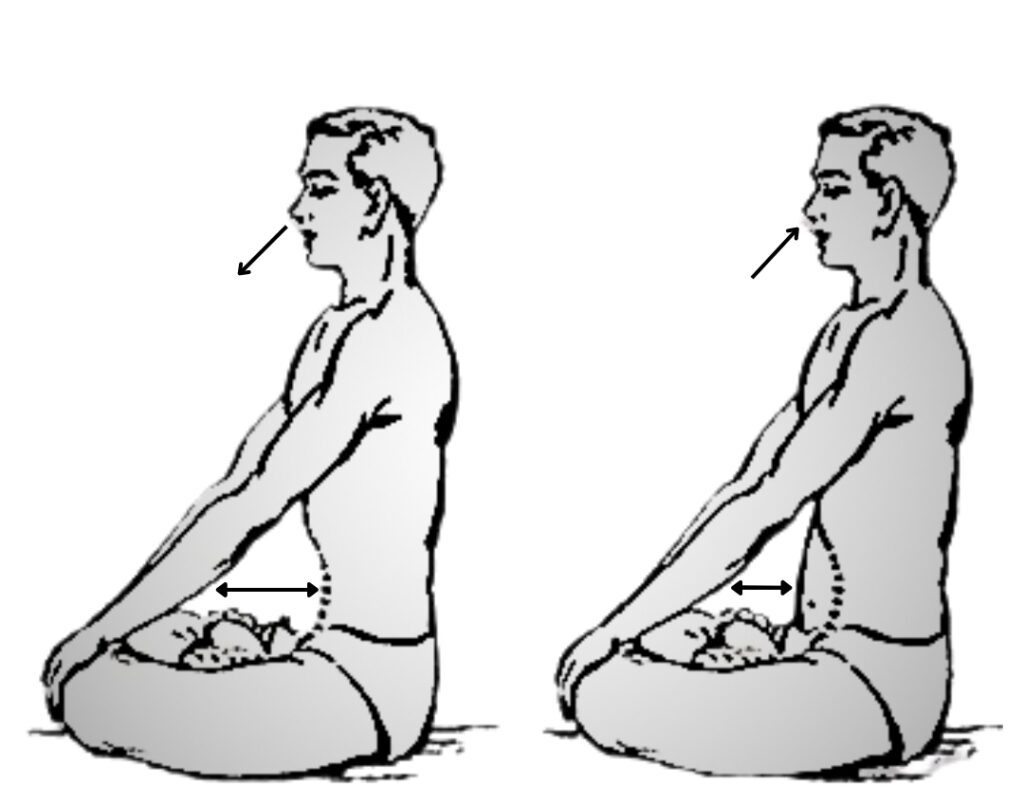
- Find a comfortable seated position with your spine straight and shoulders relaxed.
- Take a few deep breaths to settle into your body and center your mind.
- Begin by exhaling forcefully through your nose, drawing your belly in towards your spine.
- Allow the inhalation to happen naturally, without any effort. Focus on the sensation of the breath moving in and out of your nostrils.
- Repeat this process for several rounds, gradually increasing the speed and intensity of your exhalations.
- After completing the practice, take a few moments to observe any changes in your body and mind.
The Benefits of Kapalbhati
Practicing Kapalbhati Pranayama regularly can offer a wide range of benefits, including:
- Improving lung function and respiratory health
- Enhancing digestion and metabolism
- Increasing energy levels and vitality
- Clearing the mind and improving concentration
- Reducing stress and anxiety levels
How Kapalbhati differs from Bhastrika - Kapalbhati vs Bhastrika
| Aspect | Kapalbhati | Bhastrika |
|---|---|---|
|
Exhale |
Forceful and active |
Forceful and active |
|
Inhale |
Passive, happens naturally |
Forceful and active (equal to exhale) |
|
Primary focus |
Cleansing (kriya), abdominal engagement |
Energizing, full lung capacity |
|
Pace |
Moderate to fast |
Fast, rhythmic (like bellows) |
|
Best for |
Beginners building core control and mental clarity |
Practitioners wanting an energy boost and deeper lung activation |
|
Caution level |
Moderate — avoid with high BP, hernia, pregnancy |
Higher — avoid with heart conditions, high BP, anxiety disorders |
Both techniques are taught progressively as part of the pranayama curriculum in our yoga teacher training in India, so students learn to practice each safely and effectively.
The Modifications of Kapalbhati
If you have any pre-existing health conditions or physical limitations, it’s essential to practice Kapalbhati with caution. Consider modifying the practice by:
- Performing fewer repetitions or reducing the intensity of the exhalations
- Taking breaks as needed and listening to your body’s signals
- Consulting with a qualified yoga instructor or healthcare professional for personalized guidance
The Traditional Context of Kapalbhati and Origin
Kapalbhati Pranayama has been practiced for centuries in India as part of traditional yoga teachings. It is often included in Hatha Yoga practices as a cleansing technique for the body and mind. According to ancient yogic texts, Kapalbhati Pranayama purifies the nadis (energy channels) and awaken the dormant energy within the body.
The Contra-Indications of Kapalbhati
While Kapalbhati Pranayama offers many benefits, it may not be suitable for everyone. Individuals with certain medical conditions, such as high blood pressure, heart disease, or glaucoma, should avoid practicing Kapalbhati or consult with a healthcare professional before starting.
Learning Kapalbhati from an Experienced Teacher (Gyan Yog Breath in Rishikesh)
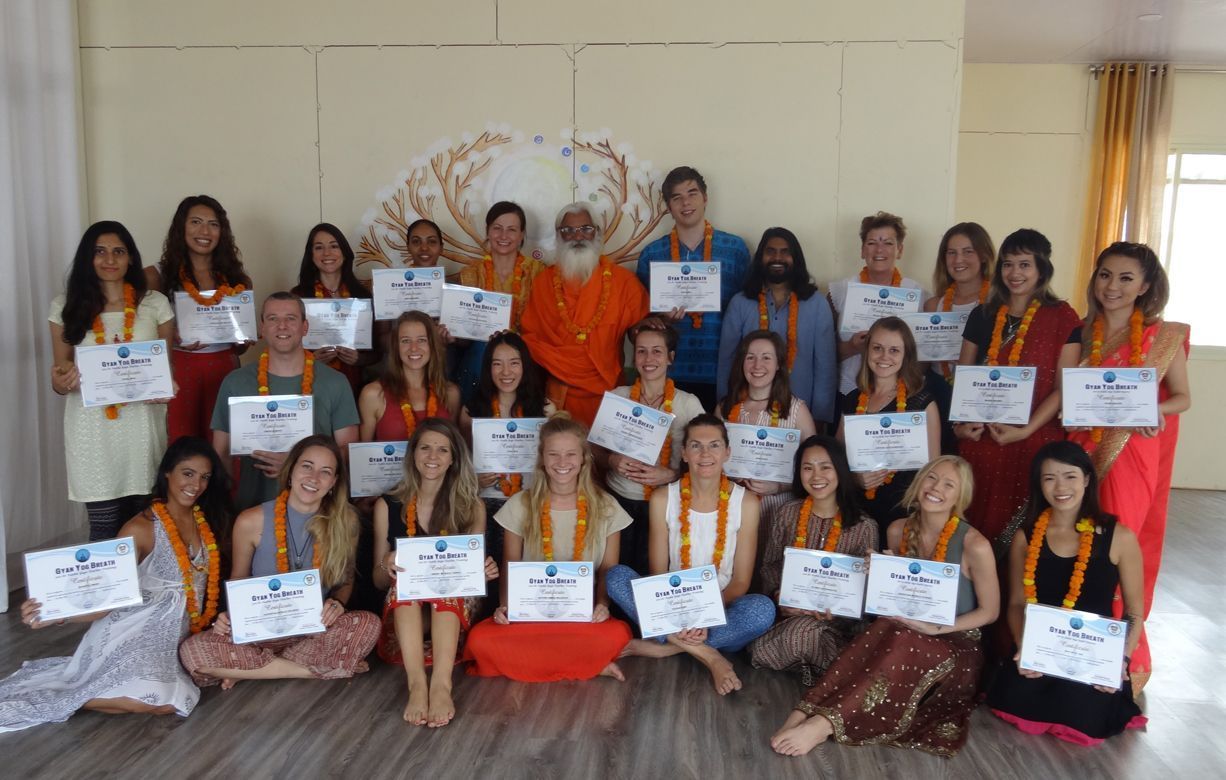
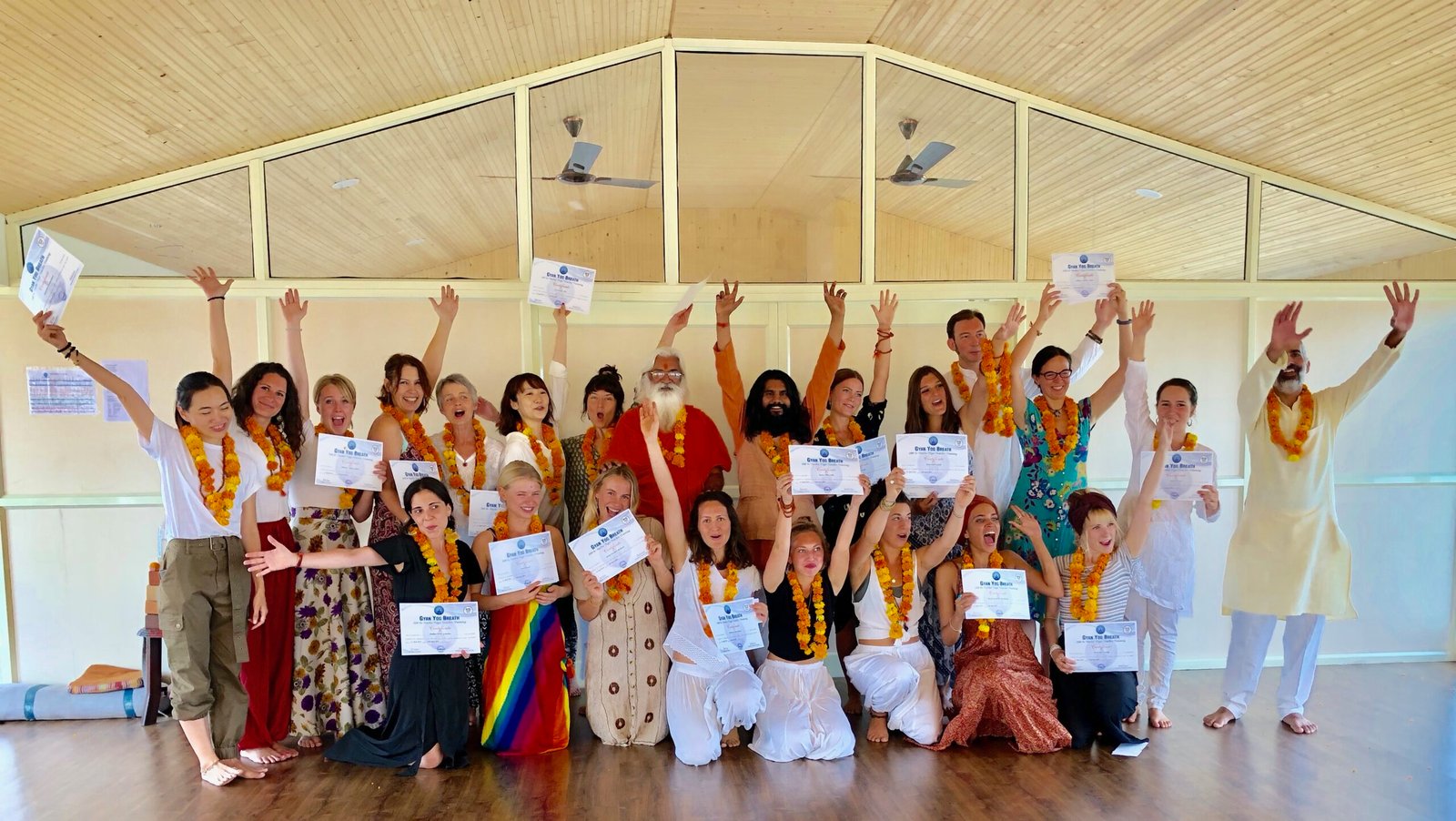
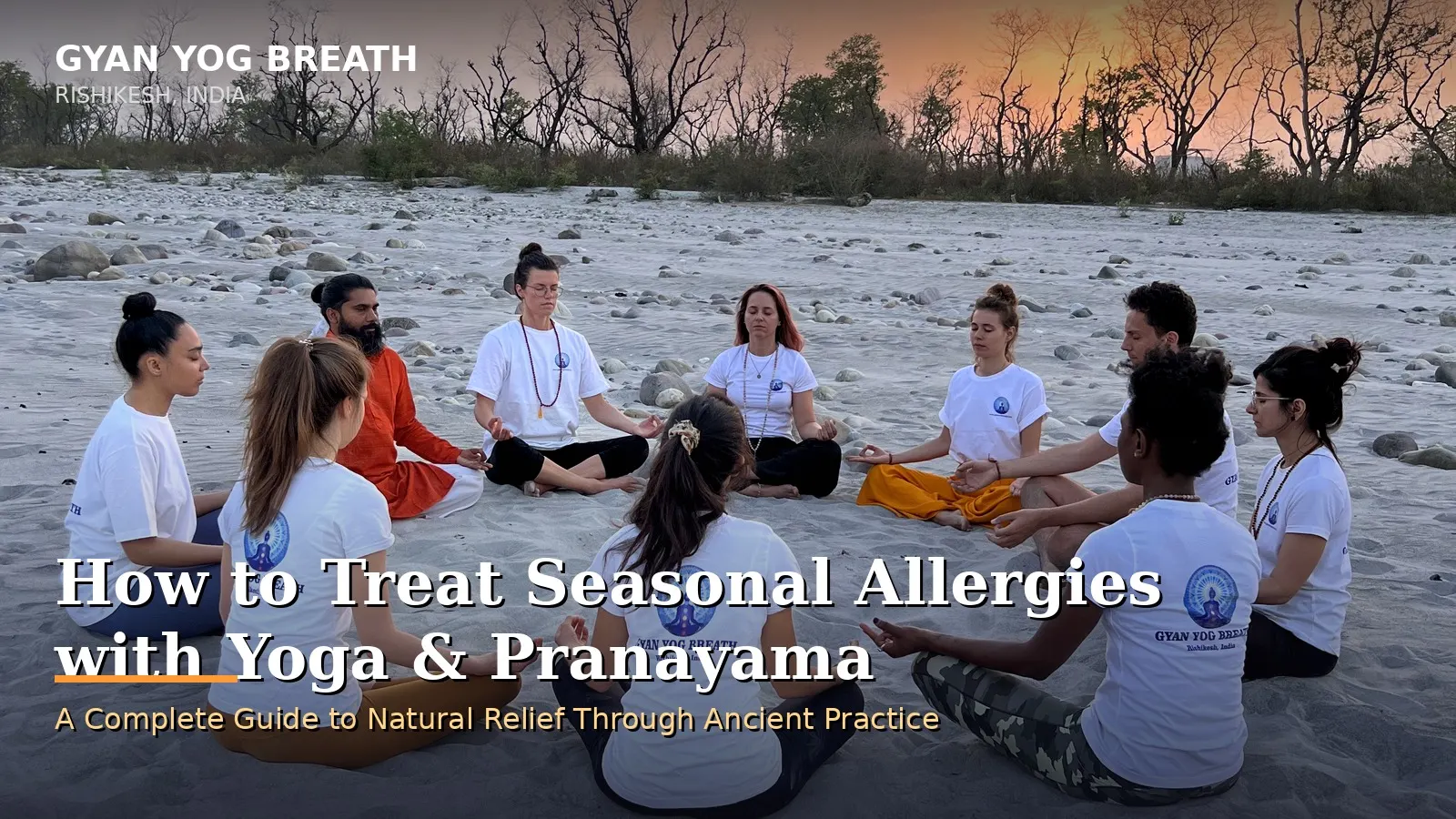
To ensure that you learn Kapalbhati Pranayama safely and effectively, it’s essential to seek guidance from an experienced yoga teacher. Gyan Yog Breath, located in Rishikesh, India, offers comprehensive yoga teacher training programs that include instruction in Pranayama techniques like Kapalbhati. With their expert guidance, you can develop a solid foundation in yogic practices and embark on a journey of self-discovery and transformation.
Kapalbhati Pranayama is a powerful breathing technique that can help you improve your physical health, mental clarity, and overall well-being. By following the step-by-step instructions, understanding its benefits and modifications, and seeking guidance from experienced teachers like those at Gyan Yog Breath, you can unlock the full potential of this ancient practice and experience its transformative effects firsthand.
Ready to Deepen Your Pranayama Practice?
FAQ
Kapalbhati is a cleansing pranayama (kriya) consisting of forced exhalation through the nose with retention of breath. It is followed by passive inhalation. The name translates to “breath that shines the skull”, and refers to the invigorating effect of Kapalbhati on the brain. Kapalbhati is one of the six shatkarmas (cleansing processes) of classical Hatha Yoga.
Sit in a comfortable cross-legged position with a straight spine. Take a deep breath in, then sharply contract your abdominal muscles to force air out through the nose in a quick burst. Let the inhale happen naturally and passively. Repeat in rounds of 20–30 exhales, resting briefly between rounds. Beginners should start slowly and build up pace and rounds over time.
Kapalbhati during pregnancy, high blood pressure, hernia, epilepsy, recent abdominal surgery, and heart and respiratory conditions should be avoided. Consult a practitioner before practicing this pranayama technique. Because of the strong nature of this pranayama it’s best to learn it from a trained teacher first.
Practicing yoga and pranayama helps clear the nasal and bronchial passages, strengthens muscles, and raises oxygen levels in the brain. Yoga has energized and cleared the minds of yogis for centuries. There have been a number of benefits reported with regular practice of yoga over the years, including preparation for deep meditation.