Gyan Yog Breath

Bhujapidasana (Shoulder-Pressing Pose): Step-By-Step Instructions, Benefits and Cautions

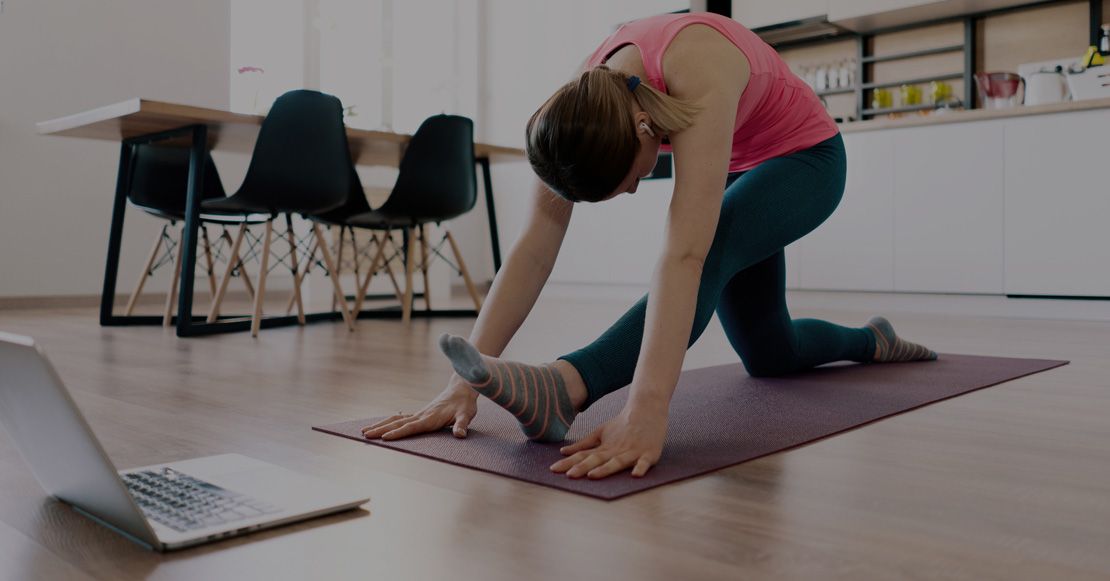
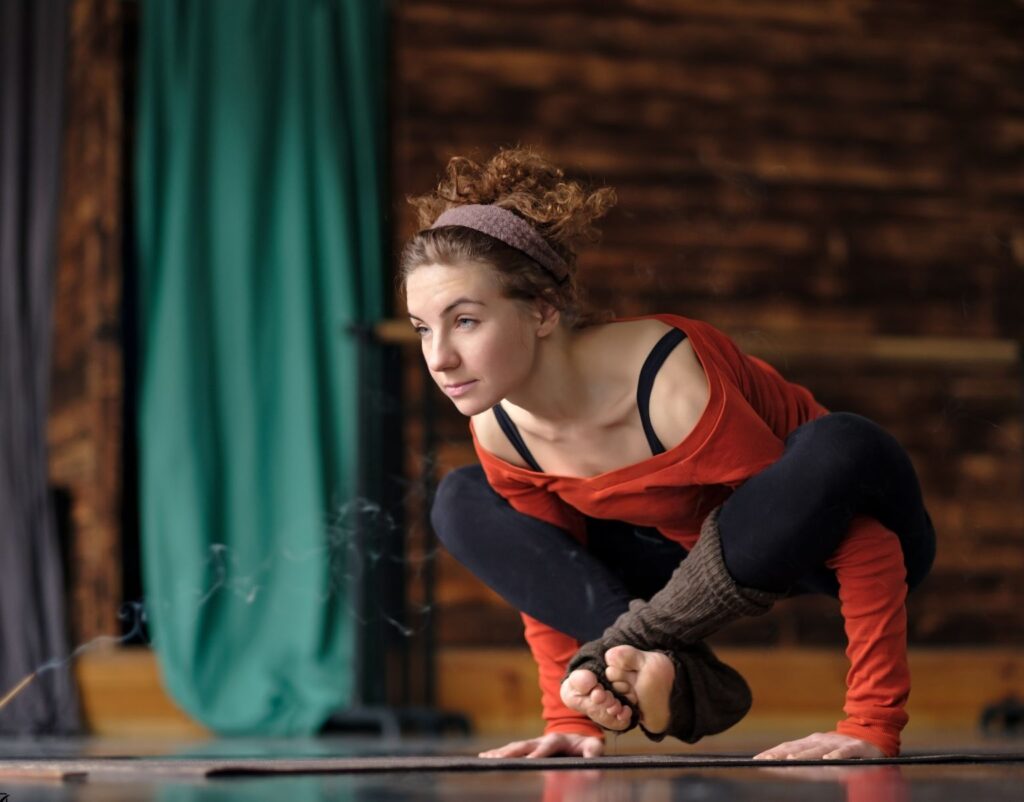
yoga practitioner doing Bhujapidasana

Bhujapidasana, commonly translated as Shoulder-Pressing Pose, is a powerful arm balance found in the Primary Series (Yoga Chikitsa) of Ashtanga Yoga. Compact yet intense, Bhujapidasana combines strength, hip mobility, breath control, and mental steadiness into one integrated posture.

Although it may look like a modern arm balance, Bhujapidasana has a specific and intentional place within the traditional Ashtanga sequence. It is not random — it emerges after deep forward folds and hip-opening postures, when the body is warm, the breath steady, and the practitioner internally focused.

In this comprehensive guide, we explore the meaning, origins, traditional context, step-by-step instructions, physical and energetic benefits, contraindications, variations, and why proper guidance is essential when practicing Bhujapidasana.

What Does Bhujapidasana Mean?

The Sanskrit word Bhujapidasana is composed of three parts:
  • Bhuja = arm or shoulder
  • Pida = pressure or pressing
  • Asana = posture
 The literal translation is “Shoulder-Pressing Posture”, or in English, Shoulder-Pressing Pose.
 
In Bhujapidasana, the thighs press high up onto the upper arms while the practitioner balances on the hands. The squeezing action creates structural stability and energetic containment, making this pose both grounding and powerful.

Bhujapidasana in the Ashtanga Primary Series

Within Ashtanga Yoga, Bhujapidasana appears toward the later section of the Primary Series (Yoga Chikitsa).
 
The sequence surrounding it traditionally includes:
  • Kurmasana
  • Supta Kurmasana
  • Lift and jump back
  • Bhujapidasana
  • Tittibhasana
  • Bakasana
This placement is intentional. After deep hip opening and forward folding, the body is prepared for compression and arm balancing. Bhujapidasana integrates:
  • Hip mobility
  • Core activation
  • Arm strength
  • Bandha engagement
  • Steady Ujjayi breath

The Primary Series is known as Yoga Chikitsa, meaning “Yoga Therapy.” In this therapeutic context, Bhujapidasana supports digestive fire, strengthens the abdominal region, and stabilizes the nervous system through breath-based focus.

How to Practice Bhujapidasana (Step-by-Step)

Preparation
Warm up thoroughly with:
  • Surya Namaskar
  • Standing forward folds
  • Malasana (yogic squat)
  • Core activation exercises
Step 1: Enter from a Squat
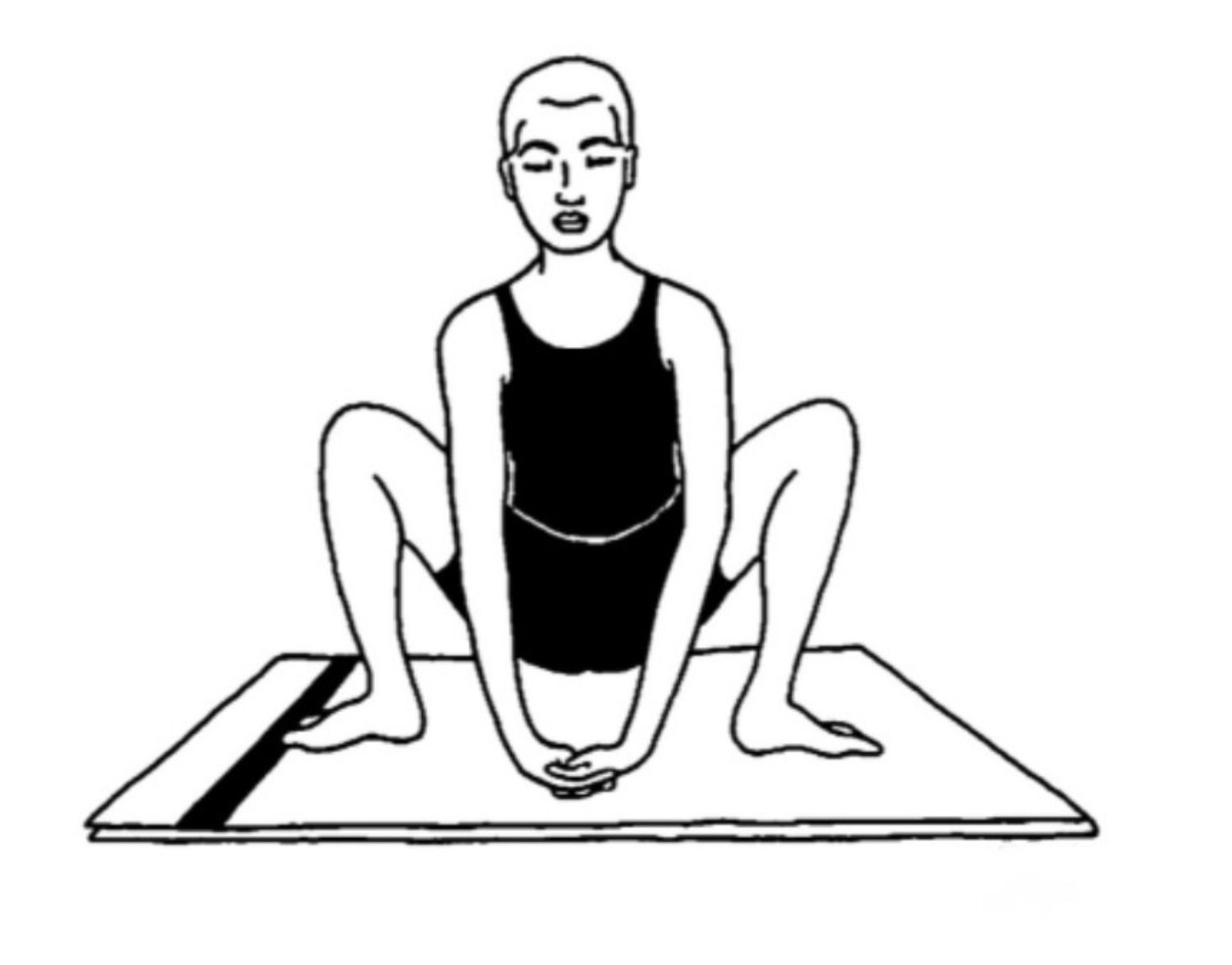
  • Begin in a wide squat (Malasana).
  • Bring your shoulders deeply between your knees.
  • Lift one foot and place it high onto your upper arm.
  • Repeat with the other side.
 
Step 2: Establish the Arm Press
  • Wrap your thighs tightly around your upper arms.
  • Plant your palms shoulder-width apart.
  • Spread the fingers evenly.
 
Step 3: Engage Bandhas
  • Activate Mula Bandha (pelvic floor engagement).
  • Draw the lower abdomen inward (Uddiyana Bandha).
  • Maintain steady Ujjayi breath.
 
Step 4: Lift Into Balance
  • Shift your weight forward.
  • Lift one foot off the floor.
  • Lift the second foot and cross the ankles behind you.
  • Keep your gaze slightly forward.
 
Step 5: Hold with Steady Breath
 
Stay for 3–5 breaths, maintaining:
  • Even breathing
  • Strong core engagement
  • Calm facial expression
 
Step 6: Exit with Control
 
Lower the feet gently and transition as appropriate in your sequence.

Physical Benefits of Bhujapidasana

Regular practice of Bhujapidasana develops:
 
1. Upper Body Strength
  • Shoulders
  • Arms
  • Wrists
 
2. Core Stability
  • Deep abdominal muscles
  • Pelvic floor
  • Hip flexors
 
3. Hip Mobility
 
The deep compression improves flexibility in:
  • Inner thighs
  • Hip joints
  • Lower back
 
4. Digestive Stimulation
 
The abdominal compression supports digestive organs and may stimulate metabolic activity.

Mental Benefits of Bhujapidasana

Bhujapidasana demands presence and courage. Arm balances often reveal:
  • Fear of falling
  • Performance pressure
  • Impatience
 
Practicing this posture cultivates:
  • Focus
  • Emotional steadiness
  • Confidence
  • Breath control under intensity
 
It teaches that balance arises from intelligent alignment, not force.

Energetic and Spiritual Dimensions

Energetically, Bhujapidasana stimulates the Manipura Chakra, located at the solar plexus. This energy center relates to:
  • Willpower
  • Confidence
  • Transformation
  • Inner fire (Agni)
 
The squeezing of arms and legs creates energetic containment, directing prana inward. Combined with bandha activation, the posture encourages upward energy flow while maintaining grounding.
 
In traditional yoga philosophy, such containment supports pratyahara (withdrawal of the senses) and internal awareness.

Contraindications

Avoid or modify Bhujapidasana if you have:
  • Wrist injuries
  • Shoulder instability
  • Severe lower back issues
  • Recent abdominal surgery
  • Pregnancy (depending on stage)
 
Always prioritize intelligent progression over force.

Variations and Use of Props

  1. Block Under the Feet
    Placing a block under the feet helps initiate lift-off.
  2. Strap Around the Arms
    A strap around the upper arms prevents them from splaying outward.
  3. Beginner Variation
    Keep the toes lightly touching the floor while building strength.
  4. Advanced Variation
    Transition directly into Tittibhasana by extending the legs forward.

Props are tools for refinement, not shortcuts.

Common Mistakes in Bhujapidasana

Common Mistakes in Bhujapidasana
  • Arms too wide
  • Insufficient hip mobility
  • Looking down instead of forward
  • Holding the breath
  • Over-relying on arm strength without core engagement
 
Correct alignment protects joints and enhances stability.

The Importance of Proper Guidance

Bhujapidasana is a technically precise posture that requires understanding of anatomy, breath, and sequencing. Practicing under experienced guidance ensures:
  • Safe alignment
  • Intelligent progression
  • Integration of bandhas
  • Proper breath coordination
 
In traditional Ashtanga Yoga, the posture is taught within a structured progression, respecting readiness and individual capacity.
 
The Ashtanga Primary Series, including Bhujapidasana, is taught as part of the 200-hour Yoga Teacher Training at Gyan Yog Breath. Within this training, students learn not only the external form of the posture but also its energetic, anatomical, and philosophical foundations. Understanding the posture in context transforms it from a physical challenge into a holistic practice
 
Bhujapidasana (Shoulder-Pressing Pose) is far more than an arm balance. Within the Ashtanga Primary Series, it represents integration — strength and softness, effort and surrender, grounding and lift.
 
When practiced with awareness, breath, and guidance, Bhujapidasana builds not only muscular power but also inner steadiness and confidence. Like many traditional postures, its true depth reveals itself gradually through consistent, mindful practice.
 
And as with all advanced asana, the journey is best undertaken with experienced teachers who understand both tradition and modern anatomy — ensuring that strength develops alongside wisdom.

Share with Friends:

Facebook
Pinterest
WhatsApp
loader